
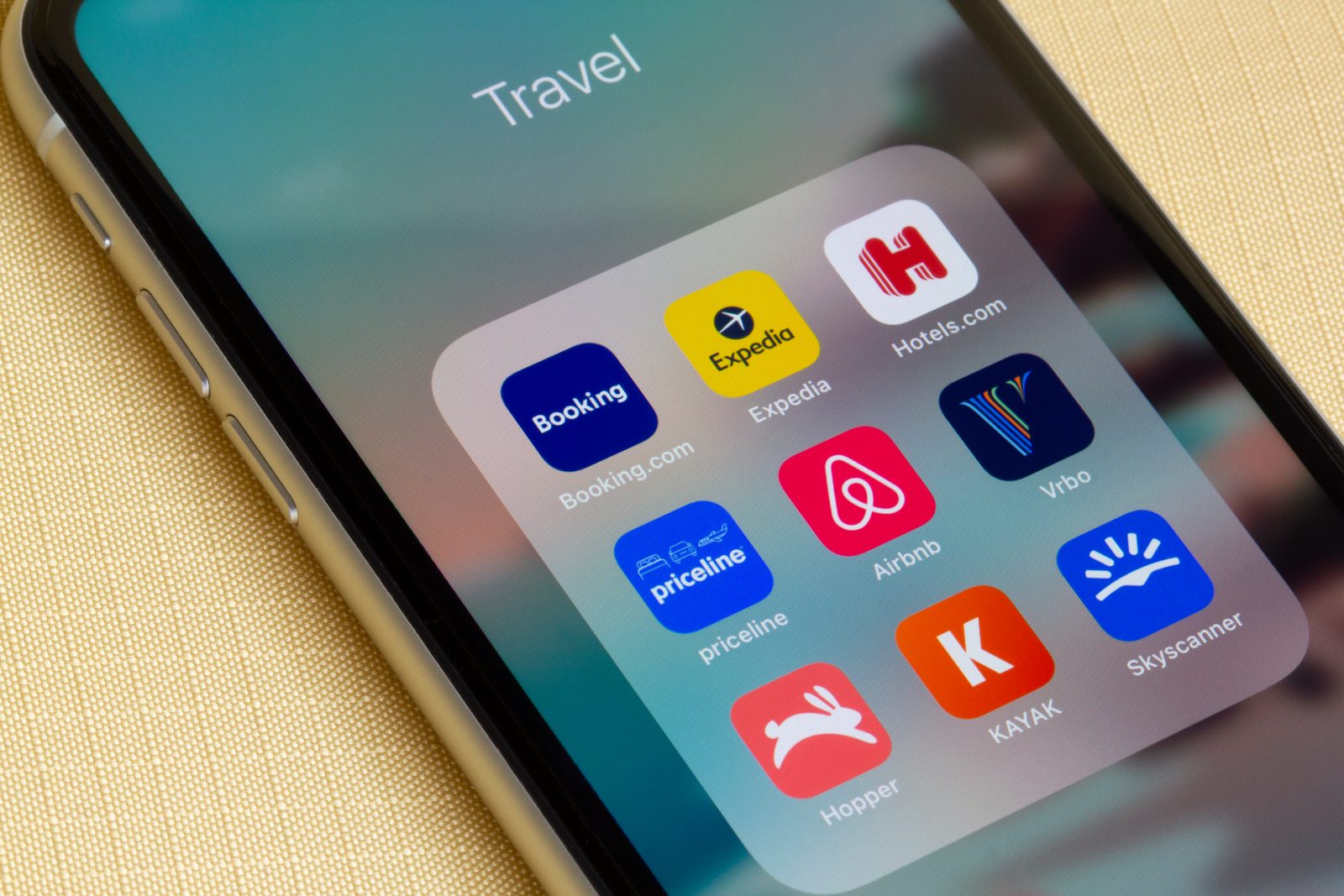
Airbnb, VRBO, and Short-Term Vacation Rental Safety
By Fred Flamer
**Warning, this one may be a little heavy and “TLDRish”, but take from it what you will, you have been forewarned!
As summer approaches, one thing I find myself seeing more and more of is short-term vacation rental scams involving platforms such as Airbnb, VRBO, and similar services.
The overwhelming majority of rentals are legitimate, and millions of people use these platforms every year without issue. Unfortunately, scammers understand that vacation planning often involves excitement, urgency, and large financial transactions, making travelers attractive targets.
The good news is that many of these scams are avoidable if you know what to look for.
Common Vacation Rental Scams
The Off-Platform Payment Request
This is probably the most common scam.
A host may offer you a discount if you pay outside of the platform using:
- Venmo
- Zelle
- Cash App
- Bank transfer
- Cryptocurrency
Never do this.
Once you leave the platform, you may lose important protections, dispute resolution services, and refund options.
A legitimate host has very little reason to move the transaction off the booking platform.
Prices That Are Too Good To Be True
We've all heard the saying:
If it sounds too good to be true, it probably is.
That saying applies here.
If a luxury beachfront condo is listed for half the price of every comparable property in the area, there is usually a reason.
Scammers frequently use stolen photographs and unrealistic pricing to lure victims into sending deposits.
Brand-New Listings With No Reviews
Everyone has to start somewhere, so a lack of reviews does not automatically indicate fraud.
However, scammers frequently create new accounts, collect payments, and disappear before the check-in date.
If you are considering a newer listing, spend additional time reviewing the host's profile, communication style, and rental history.
The Last-Minute Bait-and-Switch
You arrive at your destination only to receive a message that says something like:
"Unfortunately, there is a plumbing issue, but I have another property nearby."
The replacement property is often significantly worse than the one you originally booked.
If this happens, contact the platform immediately before agreeing to any changes.
Phishing Emails
Scammers often send fake booking confirmations that closely resemble legitimate Airbnb or VRBO communications.
Before clicking any links:
- Verify the sender's email address.
- Confirm the URL.
- Log directly into your account instead of using email links.
Remember, criminals know how to make fake emails look convincing.
Hidden Cameras and Surveillance Devices
Now let's talk about a topic that makes some people uncomfortable.
Hidden cameras.
I am not trying to scare anyone, and I certainly do not want to encourage paranoia. The reality is that these incidents are rare when compared to the millions of short-term rental stays that occur every year.
However, rare does not mean impossible.
Most major rental platforms have strict policies regarding surveillance devices. In fact, Airbnb has significantly tightened restrictions regarding indoor cameras.
Unfortunately, policies do not stop every bad actor.
What makes these cases particularly troubling is that the device is not always placed by the property owner.
I have seen situations where:
- Property managers were suspects
- Maintenance personnel had access
- Landscaping crews had access
- Former tenants were suspected
One of the strangest cases I ever heard involved friends staying in separate vacation cabins. One friend secretly installed a surveillance device and monitored the other group during the trip.
The behavior was later explained away as a joke.
Personally, I think that is a pretty strange sense of humor.
There is an old saying:
With friends like these, who needs enemies?
Conducting a Basic Inspection
Most hidden cameras are not sophisticated intelligence-agency equipment.
They are often inexpensive consumer devices purchased online and hidden in plain sight.
When you arrive, take a few minutes to inspect areas where privacy is expected, particularly:
- Bedrooms
- Bathrooms
- Changing areas
Pay attention to common hiding places such as:
- Smoke detectors
- Alarm clocks
- USB chargers
- Power strips
- Tissue boxes
- Nightlights
- Decorative items
- Artificial plants
One concept I have heard discussed is what I call the "Out of Place" Rule.
Ask yourself:
Does this item belong here?
An alarm clock pointed directly at the bed from an unusual angle or a USB charger facing the shower may deserve a second look.
Trust your instincts.
The Flashlight Technique
This is surprisingly simple.
Turn off the lights and make the room as dark as possible.
Using your phone's flashlight or a small flashlight, slowly scan suspicious objects.
Camera lenses are made of glass and may reflect light differently than surrounding surfaces.
If a hidden lens is present, you may notice a small glint or reflection.
The Infrared Test
Many cameras use infrared light for night vision.
To perform a basic check:
- Make the room dark.
- Open your smartphone's front-facing camera.
- Slowly scan the room.
If you notice a pulsing or steady light visible through the camera but not visible to your naked eye, you may be looking at an infrared emitter.
A quick way to test your phone's ability to detect infrared light is by pointing a television remote control at the camera and pressing a button.
Network Scanning
Now we're entering what I jokingly refer to as "Inspector Gadget territory."
Many hidden cameras rely on Wi-Fi connectivity to stream or upload footage.
Once connected to the rental's network, applications such as:
- Fing
- Network Analyzer
can help identify devices connected to the network.
You may see entries labeled:
- Camera
- IP Camera
- Nest
- Ring
or other recognizable manufacturer names.
Unfamiliar devices may warrant further investigation.
Now, before we get carried away, this method is not foolproof.
A determined individual could place the device on a separate network or use alternative methods of transmitting data.
However, this technique can identify many poorly concealed devices, which, thankfully, make up the majority of cases.
Unless, of course, you've somehow managed to attract the attention of the NSA, MI6, or the Kremlin.
What To Do If You Find Something
If you discover a suspicious camera or recording device:
- Take photographs and videos immediately.
- Document where the device was located.
- Avoid moving or dismantling the device.
- Leave it exactly as found whenever possible.
- Contact local law enforcement if appropriate.
- Report the incident to the booking platform immediately.
If you feel unsafe, leave the property.
Many booking platforms can assist with emergency relocation and may offer refunds depending on the circumstances.
Final Thoughts
Vacation rentals can be a fantastic alternative to traditional hotels, and most stays are completely uneventful.
The goal is not to become paranoid.
The goal is to remain aware.
A few minutes spent verifying a listing, protecting your payment information, and performing a basic inspection of the property can go a long way toward ensuring that your vacation memories are positive ones.
After all, the only thing you should be bringing home from a vacation is luggage and good memories—not a fraud report.
-Fin-
#SeniorSecured #VacationRentalSafety #ShortTermRentalSafety #TravelScamAwareness #StaySafeWhileTraveling
© 2026 Fred Flamer. All Rights Reserved.