
By Fred Flamer
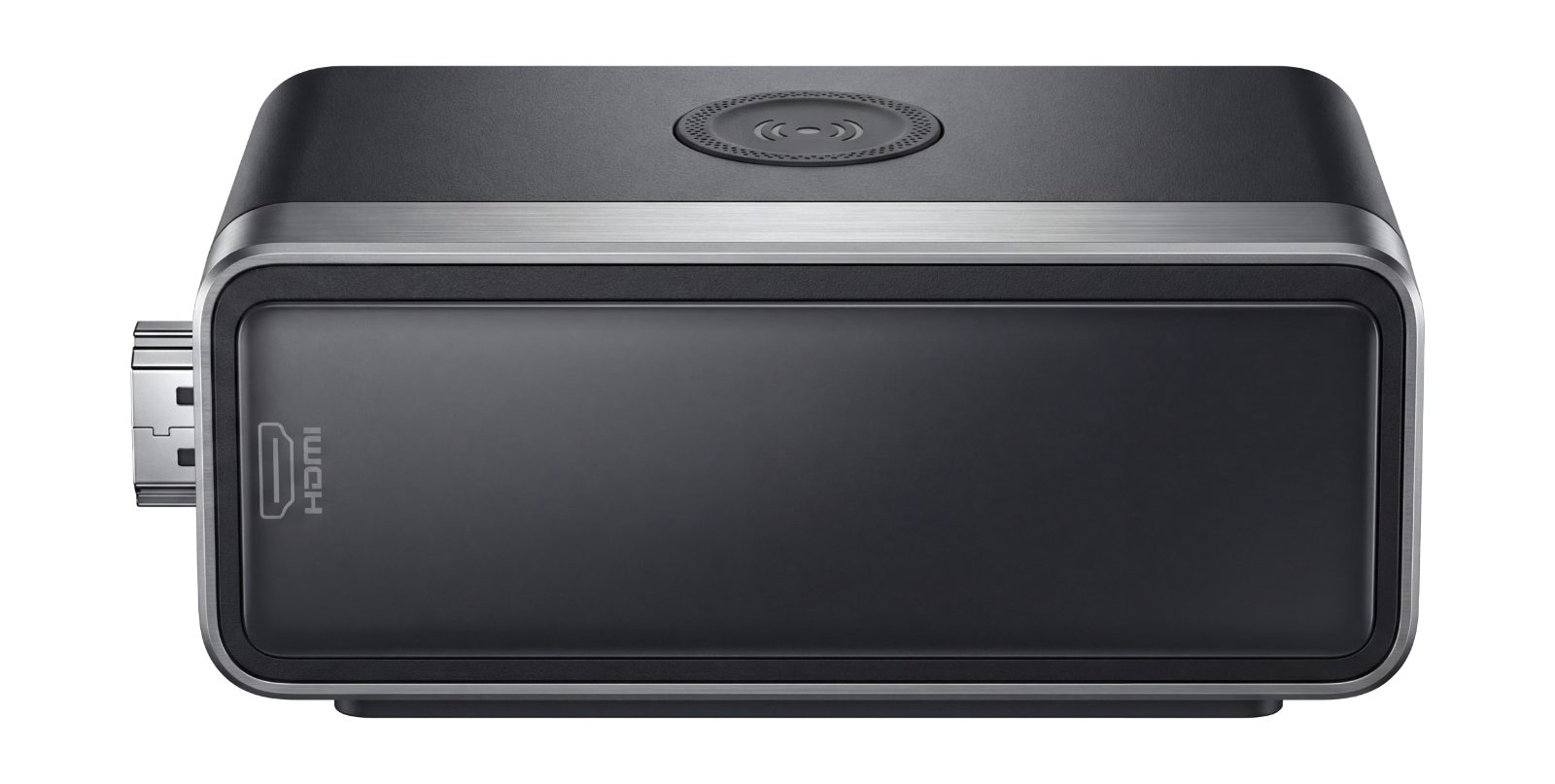
Most of you reading this have probably never heard of a "Superbox" or a "Forever Streaming Stick," so let me explain.
These devices, typically Android-based, are marketed as a one-time purchase that provides unlimited access to premium live television, sporting events, and subscription streaming services such as Netflix, HBO, Hulu, and countless others. Prices generally range from $200 to $400, with the promise of "free TV forever."
In my opinion, one of the biggest reasons these devices have become so popular is subscription fatigue.
Let's face it—we're living in the age of subscriptions.
There was a time when you purchased a product once, and if it met your need(s), you owned it for as long as you wanted or needed to. Those days are becoming increasingly rare. Today, many products have evolved into services, and services come with monthly subscriptions...and subscription plans beget fees!
Some months you use a service constantly. Other times you may not touch it for weeks or even months, yet the monthly charge continues to arrive like clockwork.
Speaking only from my own observations, I think many of us develop a psychological attachment to the services we subscribe to. We convince ourselves that we'll miss out if we cancel. Sometimes we simply don't want the hassle of canceling today only to resubscribe tomorrow—often at a higher price.
Providers know this. Subscription prices increase over time, and while customers may complain, many continue paying because, as human beings, we're creatures of habit.
But I digress...
Let's get back to Superboxes and how they work.
Legitimate streaming devices such as Roku, Apple TV, Google Chromecast, and similar platforms access content through licensed applications and authorized Application Programming Interfaces (APIs) that communicate directly with official streaming providers.
Many Superboxes operate differently.
Rather than relying exclusively on official app stores, they are often preloaded with third-party applications that have been sideloaded onto the device. These applications may connect users to unauthorized streaming sources that retransmit copyrighted television programs, movies, and live sporting events without the permission of the copyright owners.
An easier way to think about it is this.
Imagine I purchase a ticket to a movie theater. While watching the film, I secretly record the entire movie. I then leave the theater and charge other people to watch my recording online.
That isn't how these streaming services technically operate, but the analogy illustrates the underlying problem: copyrighted content is being redistributed without authorization.
Live sporting events are handled in a similar fashion, except the unauthorized retransmission occurs in real time.
Yes, these devices may provide access to an enormous amount of entertainment for a fraction of what legitimate subscription services cost.
However, there is another side of the story that many people never hear.
Many of these off-brand Android streaming devices run modified firmware with weakened or disabled security protections. Because they often rely on unofficial application stores and software from unknown developers, they may expose users to cybersecurity risks that simply don't exist on mainstream streaming platforms.
Some security researchers have found that certain compromised Android-based TV devices have been configured to run hidden background services that communicate with remote servers. In some cases, compromised devices have been used as proxy nodes, allowing outside traffic to pass through the user's Internet connection without their knowledge.
To briefly explain what a proxy is:
A proxy is an intermediary server that sits between a client and a destination server, forwarding requests on behalf of one or both parties. While proxies have many legitimate business uses, they can also be abused by cybercriminals when installed without the owner's knowledge or consent.
Government agencies and cybersecurity researchers have also warned about malware campaigns affecting millions of low-cost Android TV devices. One notable example is BADBOX(google it), a malware operation that has compromised numerous off-brand streaming devices.
Compromised devices have reportedly been used for activities such as:
- Distributed Denial-of-Service (DDoS) attacks
- Advertising fraud
- Credential abuse and automated account attacks
- Unauthorized proxy services
Perhaps even more concerning is that a compromised streaming device may provide attackers with a pathway into your home network, potentially exposing other connected devices such as computers, smartphones, tablets, smart televisions, and home automation equipment.
Because many of these devices permit software to be remotely updated from unofficial sources, the organizations controlling those updates may be able to install additional applications or modify the device without the owner's knowledge.
At the end of the day, I understand the temptation.
In today's economy, everyone is looking for ways to save money.
However, there are two significant risks that should not be ignored.
First, accessing copyrighted content through unauthorized streaming services may violate copyright law and the terms of service established by the content owners.
Second, the cybersecurity risks can be substantial. What initially appears to be an inexpensive way to watch television could ultimately expose your home network, your personal information, and every device connected to your Wi-Fi.
Many people believe they have discovered the "cheat code" to free television.
Unfortunately, some unknowingly become participants in criminal botnets, have their Internet connection abused through unauthorized proxy activity, or expose themselves to malware that quietly operates in the background.
The old sayings still apply:
If something sounds too good to be true, it probably is.
Or “Ass, gas or grass, nobody rides for free”, LOL!
Be aware of the risks before inviting one of these devices into your home.
-Fin-
#SeniorAwareness #CyberSecurity #StreamingDevices #Copyright #BADBOX #Botnet #HomeNetworkSecurity #SeniorSecured
© 2026 Fred Flamer. All Rights Reserved.